 Brandon Tucker
Golf Course Etiquette: The Complete Guide for Every Golfer (2026)
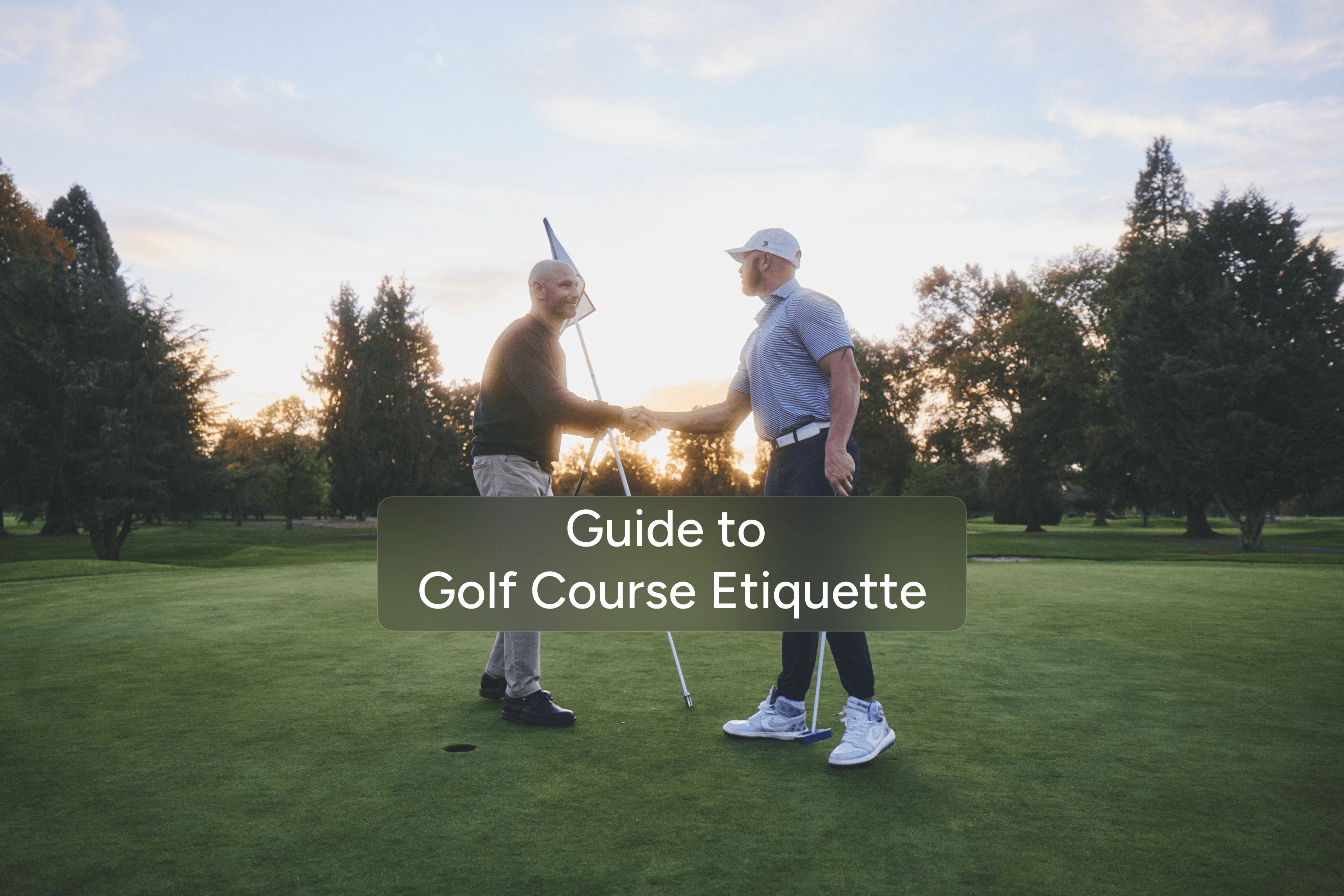
Did you recently pick up the game of golf? Congrats. But here's the bad news:
It's very possible you never get very good. There are players who have been grinding for 40 years and still can't break 90. You've been warned.
Here's the good news: it doesn't really matter. There's always going to be better golfers than you, but that doesn't mean you can't benefit from the exercise, the sunshine, and the camaraderie.
And frankly, your playing partners will barely care what you shoot.
What they do care about is whether you're a good playing partner. Getting golf course etiquette right can earn you invitations to other clubs, maybe even a coveted Member-Guest, a larger golf buddy rolodex, and a generally better experience every time you tee it up.
It also translates well off the course. They say you can learn a lot about someone over 18 holes. Your demeanor could land you a new job or an introduction to your future spouse.
Golf etiquette matters as much as anything else in this game.
Even if you can't break 100, you can be a scratch etiquette golfer. And doing so opens more doors than a new driver ever will.
(If you're still working on the fundamentals, our guide on how to break 100 has the basics covered.)
The 28-Handicap Etiquette Golfer
No one wants to play with this person. They're self-centered, don't look after the course, and are oblivious to the world around them.
If you're on the golf course with the mindset that it's all about you, stick to a simulator. Symptoms of the 28 Etiquette Handicap include:
- Isn't on time to the first tee; isn't ready to hit when it's their turn
- Won't pair up with other golfers, or if forced to, isn't polite about it
- Doesn't replace divots or fill with sand, repair ball marks, or rake bunkers
- When they play poorly, it dictates their mood and poisons everyone around them
- Ignores cart rules (where to drive, where not to go)
- Frequent mulligans and reloads with no acknowledgment
- Drives past people in the group still playing from the forward tees
- Never watches your shot or helps look when you're offline
- Slows down the group repeatedly stopping for content
- Takes phone calls constantly or is texting between shots
- Won't share a cart with someone
- Never yells "Fore"
- Blares music at unnecessary volumes without asking the group
The general theme: the world revolves around them. Golf is about knowing your surroundings and getting along with others, often complete strangers.
The 10-Handicap Etiquette Golfer

At minimum, strive to be a serviceable 10-handicap etiquette player. This is the golfer who is proficient, knows the basics, and whose etiquette is good enough not to be noticed one way or the other. You'll be just fine if these behaviors become automatic:
- Knows when, where, and how to stand when others are hitting (no shadows, no movement, no talking mid-swing)
- Yells "Fore" if someone is in harm's way
- Replaces divots, repairs ball marks, and rakes footprints in bunkers
- Abides by all cart rules, including cart-path-only holes
- Ready for their tee time and always ready when it's their turn
- Watches others hit and tracks wayward shots
- Phone on silent; takes necessary calls quickly and away from the group
- Attitude doesn't affect the group either way
- Asks the group before turning on a Bluetooth speaker and keeps the volume reasonable
- Understands and abides by club dress codes and rules
Most of what passes for bad golf etiquette isn't malicious. It's just inattention. Being a 10 is mostly about paying attention.
The Scratch Etiquette Golfer
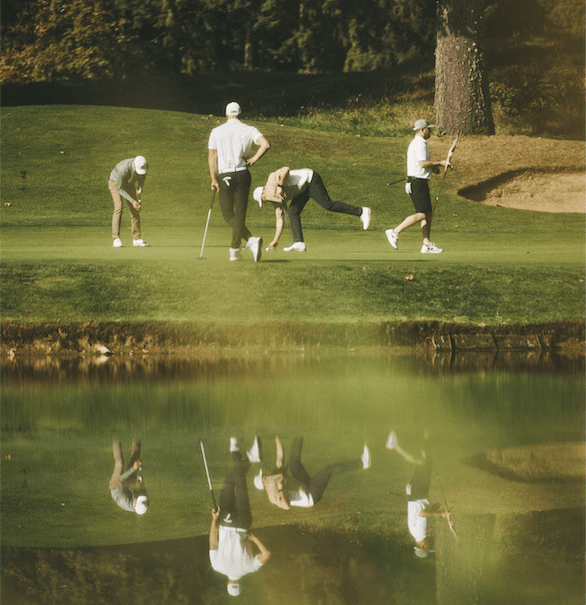
This player makes every round better. They get along with anyone, regardless of ability. If they're a good player, they might even play the same tees as the rest of the group. They buy the first round of drinks and are genuinely great company.
You don't even remember what you shot with this golfer. Just that you had a good time and hope it's not the last round you share.
Getting to scratch etiquette is a matter of stacking small gestures:
- Doesn't just repair their own ball mark, but fixes a couple others without holding up play
- Is mindful of stressed turf areas and avoids them on foot or cart
- When they putt out first, they pick up the flag, grab any stray wedges near the green, and might even run a towel over them while others finish out
- Proactively invites singles to join the group when the course is busy
- Tracks everyone's shots, yells "Fore" for errant balls, and actively helps search
- Picks up their broken tee from the tee box
- Reads the vibe of the group and matches it, whether that's competitive or casual
- Compliments the greens staff when they cross paths
The best foursomes are the ones where everyone is helping each other get around, always mindful of each other's shots, pace, and attitude. These are the groups you hold onto.
The Truth About Golf Course Etiquette
I'll admit that etiquette can be like golf itself in that you have off days. I've accidentally hit into groups, moved while someone was swinging, and left my ringer on at the worst possible moment.
So I'm not trying to be holier than thou here. And in a regular foursome, everyone's etiquette usually settles into a similar baseline over time anyway.
But there have been some genuine faux pas lately that really wind me up. Public golf in 2026 is a wild place. Here are a few things that have actually happened to me:
- I was paired with a twosome. They were struggling, and on the third hole, they just drove off. I stood on the green for five minutes, wondering where they went.
- I was paired with someone at a TPC course who'd smuggled a bucket of Pro-V1 range balls into his cart to use on the course.
- I usually walk, and I was recently paired with two guys, both in separate carts, who never waited for me and consistently putted out while I was still walking up the fairway.
- The general Instagram tomfoolery: slowing down play to capture content nobody asked for.
- A Bluetooth speaker so loud you could hear it 250 yards away.
These aren't the golf rules for beginners you'll find in the official USGA rulebook. But they're every bit as important to the people you're playing with.
Be courteous. Be mindful. The little details come naturally once you're paying attention.
If you want to take the competitive side of the game more seriously, tracking your stats and handicap is the next step. GolfN handles both automatically and rewards you for every round you post. Here's what a good golf handicap actually looks like in 2026, if you're curious where your game fits in.
I hope to see you in the GolfN app and on the course. Use my promo code BTUCK for a special promo offer on your first month of membership. Download here.

Brandon Tucker is GolfN's Communications Director and Editor-at-Large. He's spent his life playing and working in the game of golf, from working mini golf courses and country club cart barns as a youth to writing, editing and production in his career. Prior to joining GolfN he was the Managing Editor for Golf Channel's Courses & Travel and GolfPass, and before that contributed to the WorldGolf.com network of websites. While at NBCUniversal/Golf Channel, he contributed travel segments to Morning Drive and Golf Central shows, and launched the Golf Advisor website, later rebranded to GolfPass. Tucker loves Top 100 rankings but launched the Golfers Choice awards at Golf Advisor to give any golf course, regardless of prestige, a chance to be recognized for exceptional operations. Tucker now lives in Texas but goes back to Michigan every summer strictly to play twilight golf.
Explore More GolfN Articles
View all
GolfN vs 18Birdies (2026): Which Golf App Is Right for You?
GolfN vs 18Birdies compared side-by-side in 2026 — GPS accuracy, stat tracking, pricing, and the one feature 18Birdies doesn't have. Find out which app is right for your game.

Walk the Course Like a Pro: Enter to Win the Stewart Golf Q Follow
The Q Follow is the latest opportunity in the GolfN app to score rewards for golf from the best brands in the game.

Best Golf Credit Cards (2026): What They Actually Give You (And What They Don't)
Best golf credit cards ranked for 2026. Compare cash back, travel perks, and private course access for golfers who want real value on and off the course.